Slot Design Patterns and Their Ties to Self-Assessment Tools Across Player Demographics
Wendy Hughes · Nov 17, 2026
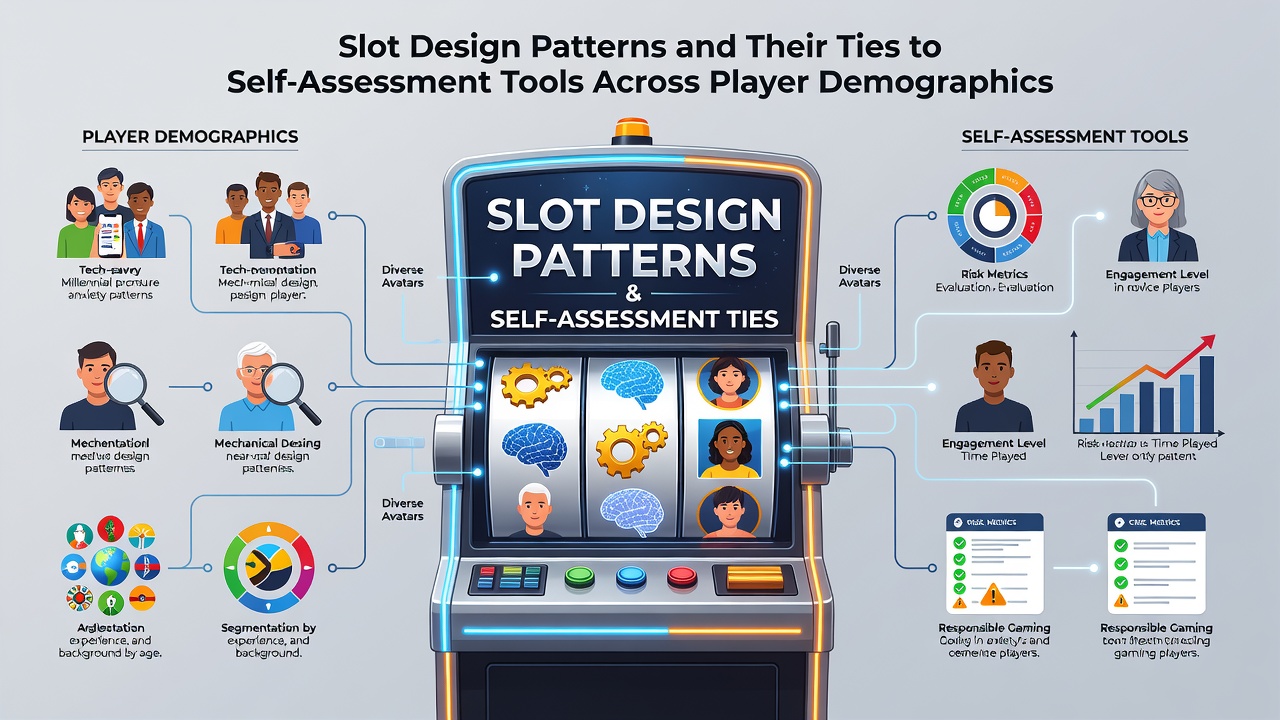
Slot Design Patterns and Their Ties to Self-Assessment Tools Across Player Demographics
Slot design patterns encompass specific visual and structural elements that shape how players interact with games, including reel layouts, bonus triggers, and payout structures. These patterns connect directly to self-assessment tools that help individuals evaluate their gaming habits through questionnaires and tracking features. Researchers across multiple regions have examined how these elements intersect with demographic factors such as age, gender, and playing frequency.
Core Elements of Slot Design Patterns
Design patterns in modern slots often incorporate near-miss outcomes where symbols align just short of a win, progressive jackpots that build across sessions, and multi-level bonus rounds that extend playtime. Data from industry reports shows these features appear consistently in both land-based and online formats. Studies indicate that such patterns influence session length because they create repeated decision points within the game flow. Observers note that developers adjust these elements based on player data collected from various platforms.
Self-Assessment Tools and Their Structure
Self-assessment tools typically consist of standardized questions covering frequency of play, emotional responses during sessions, and financial impact. Organizations like the National Council on Problem Gambling provide versions that users complete online or through casino apps. These tools generate risk scores that categorize behaviors into low, moderate, or high concern levels. Recent updates to these instruments have added modules that reference specific game types, including slots, to improve relevance for different user groups.
Linking Design Patterns to Assessment Outcomes
Evidence from multiple studies reveals connections between certain slot features and responses on self-assessment questionnaires. For instance, frequent exposure to near-miss mechanics correlates with higher scores on items measuring perceived control over outcomes. Players who engage with progressive systems often report elevated expectations in follow-up assessments. Research indicates that these links hold across datasets collected from both regulated markets in North America and parts of Europe. Analysts have mapped specific design variables to shifts in self-reported behaviors, creating datasets that operators use to refine responsible gaming features.
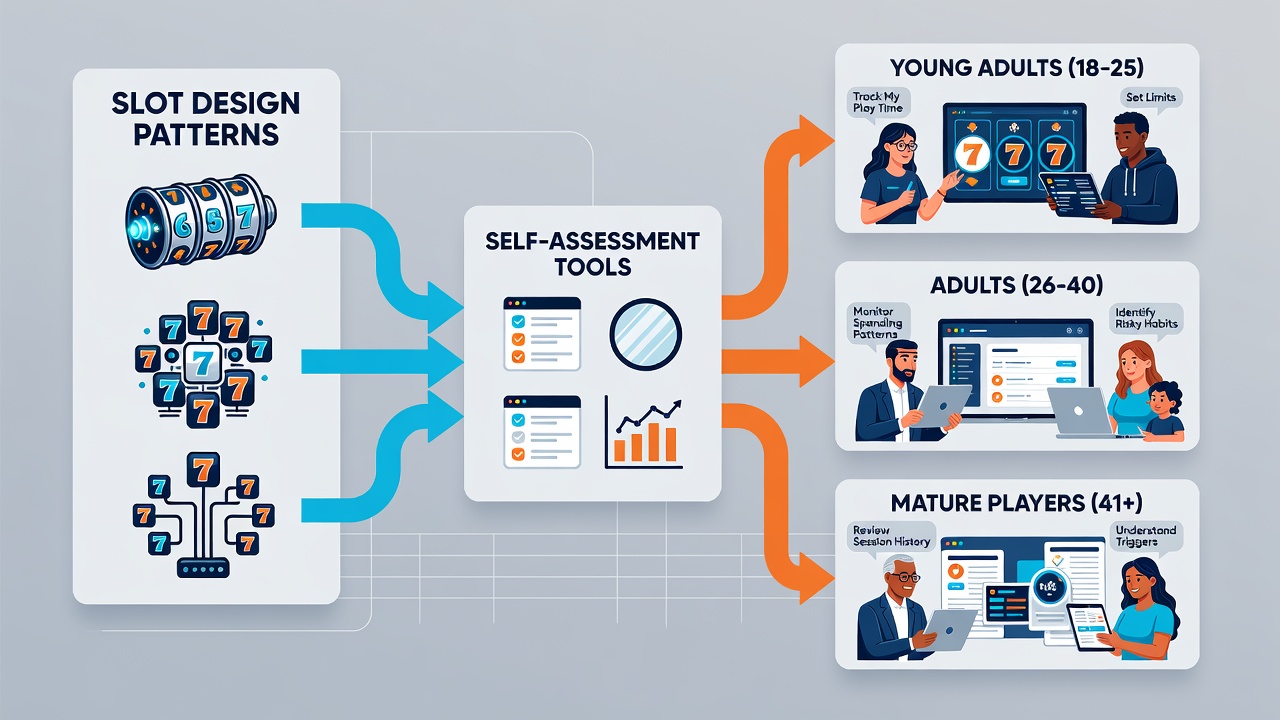
November 2026 saw the release of a cross-regional analysis from the Australian Institute of Criminology that examined slot interaction logs alongside completed self-assessments from over 12,000 participants. The report highlighted measurable differences in how design patterns affect assessment scores when broken down by demographic segments.
Demographic Variations in Responses
Age groups show distinct patterns in how they interact with slot designs and subsequently score on assessments. Younger adults between 18 and 34 tend to engage more with bonus round mechanics, and their self-assessments frequently flag higher impulsivity markers compared with older cohorts. Middle-aged players often report steadier session patterns tied to fixed jackpot structures, which aligns with lower average risk scores on the same tools. Gender differences also surface in the data, with studies finding that male participants record more frequent near-miss encounters while female participants show stronger associations with social bonus features.
Frequency of play further modulates these relationships. Daily players across demographics register elevated scores on questions about financial tracking, regardless of the specific design pattern used. Casual participants, by contrast, demonstrate more variability depending on whether the slot emphasizes visual animations or simpler reel mechanics. University-led research from institutions in Canada and Australia has documented these intersections through longitudinal tracking that pairs game telemetry with periodic self-assessments.
Implementation in Regulatory and Operator Settings
Regulators in several jurisdictions now require operators to integrate self-assessment prompts at intervals during extended slot sessions. These prompts draw on design data to time interventions when certain patterns, such as repeated bonus triggers, appear in player logs. Operators use aggregated demographic information to customize the language and frequency of these prompts. Figures from the Nevada Gaming Control Board indicate that such integrations increased voluntary assessment completion rates by measurable margins in 2026.
Conclusion
Slot design patterns and self-assessment tools form an interconnected system that varies systematically across player demographics. Data collected through 2026 demonstrates that age, gender, and playing frequency shape both the features players encounter and the way they respond to evaluation instruments. Continued analysis from academic and regulatory sources provides updated mappings that support more precise alignment between game mechanics and harm reduction resources.